| Type | Red wine |
|---|---|
| Region | |
| Grapes | |
| Producer | |
| Allergens | Contains sulfites |
| Alcohol contenti | 14.0% |
| Production | 100,000 bottles |
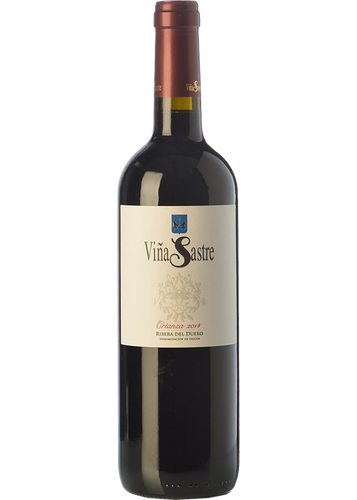
Spec sheet
The wine
What does this wine taste like?
Picota cherry red with a garnet rim, the nose is powerful and complex, with ripe black fruit, toasty oak, cocoa and warm spice — cinnamon, nutmeg, black pepper and vanilla. On the palate it's smooth and rich, genuinely fruit-forward with black fruit and toasty notes, backed by floral touches, fine minerality and meaty depth, finishing long and persistent. Despite its power, the wine stays restrained and elegant rather than heavy, with juicy acidity keeping it fresh.
| Light | Bold | |
|---|---|---|
| Smooth | Tannic | |
| Dry | Sweet | |
| Soft | Acidic |
View | Picota cherry red / Intense / Garnet rim |
|---|---|
Bouquet | Powerful / Complex / Ripe black fruit / Toasty notes / Cocoa / Fine woods / Spicy notes / Cinnamon / Nutmeg / Black pepper / Vanilla |
Mouth | Smooth / Rich / Fruit-forward / Black fruit / Toasty notes / Long finish / Persistent / Complex |
Drinking and storing
Serve between 15°C and 17°C. It's approachable now but has the structure to develop further with age, so it works equally well opened tonight or set aside for a few years. Letting it breathe for a while — either decanted or simply opened ahead of time — helps soften the tannins and bring out its aromatic complexity.
Serve between 15ºC and 17ºC
Food pairing
Its power and structure make it a strong match for red meat and game — beef, roast lamb, veal and oven-cooked game meat are all natural partners, while wild boar and tripe suit its meaty, earthy depth. This is a wine built for hearty, flavour-forward cooking rather than lighter fare.


Beef / Roast lamb / Veal / Oven-cooked game meat / Tripe / Wild boar
Ratings and awards
| 2015 | 90+ PK | |
|---|---|---|
| 2014 | 91 PK | |
| 2012 | 90 PK | 93 PN |
| 2009 | 92 PK | 93 PN |
| 2008 | 91 PK |
PK: ParkerPN: Peñín
Wine critics reviewsReviews by Parker
Customer reviews
Winemaking
This wine is made in the traditional way, without any ostentation and with very sensible and decent ageing, which corresponds with the winery's philosophy, defined by respect for the land, effective work in the field and due care of the vines. It reflects the Ribera del Duero's true identity and exemplify the profile of a noble, elegant wine.
| Vinification material | Wood |
|---|---|
| Ageing period | 14 months |
| Barrel age | New and semi-new |
| Type of wood | French and American oak |
Vineyards
Its freshness and complexity surely result from the careful selection of grapes and the altitude of the plots where the vineyards lie, namely Las Navas, Caroa, Carrasantamaría, Fuentenarro, Valdelayegua, Cañuelo, Carranaguix and Bercial, all parcels of land located in Roa, in the province of Burgos, at an altitude of 815 metres.
| Soil | Calcareous-clay |
|---|---|
| Climate | Continental |
| Altitude | 815.00 meters |
The winery
Viña Sastre
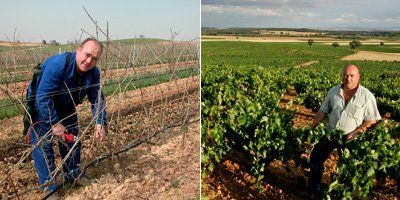
Today, Viña Sastre is one of the Ribera del Duero's benchmark wineries, known and appreciated both for the wines of its traditional line (Rosé, Roble and Crianza) and also for the wines belonging to its top-quality range: Pago Santa Cruz, Acos, Regina Vides and the legendary Pesus, of which only 1,800 bottles are made a year. This great little family-run winery started out in the mid-twentieth century when Severiano Sastre planted some vineyards which as time passed would...