

Tempranillo vs Garnacha: Two Symbols of Spanish Red Wine
Discover the differences between Tempranillo and Garnacha, two icons of Spanish red wine. Flavours, pairings and regions that define their unique character.
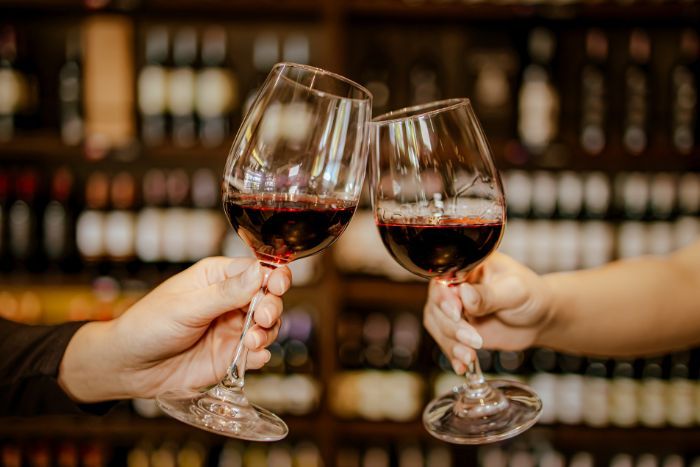
Two wines, two souls of Spain. One is calm and elegant, the other lively and warm. Together, they tell the story of the essence of Spanish red wine: Tempranillo and Garnacha.
If you've ever tried to understand why these two grape varieties have become Spain's calling card, this article is for you. Let's see how they differ in taste, texture, and mood—and which one will be your next bottle of choice.
Tempranillo: the classic voice of Spain
When the evening light descends on the hills of Rioja, the Tempranillo grapes are ready for harvest. The name itself comes from the word temprano, meaning "early," because they ripen faster than most others.
They are used to make the country's most famous wines, especially in the Rioja and Ribera del Duero regions.
Tempranillo symbolises the classic, structured style that has made Spanish wines famous around the world. It is a wine that speaks calmly but firmly.
Taste and texture
Black fruits, plums, tobacco, vanilla, and subtle smoky notes dominate tempranillo aromas. On the palate, it is medium to full-bodied, with soft tannins and good acidity balance.
Ageing in oak barrels, often American oak, adds warmth, roundness, and a touch of sweetness. A good Tempranillo does not shout—it convinces with its elegance and depth.
Where it grows best
Tempranillo is cultivated in many regions of Spain, yet each gives it a distinctive personality shaped by climate, soil and tradition:
- Rioja – smooth and harmonious, with delicate layers of oak, vanilla and spice; the most classic expression of Tempranillo elegance.
- Ribera del Duero – darker, more powerful and structured, often with firmer tannins and remarkable ageing potential.
- Toro – bold, ripe and concentrated, offering intense black fruit and higher alcohol; a favourite for lovers of robust reds.
- Navarra – lighter and fresher, with vibrant cherry notes; ideal for everyday drinking.
- La Mancha – one of the largest wine regions in Europe, producing approachable, fruit-driven Tempranillo that’s generous and affordable.
- Madrid DO – vineyards at higher altitudes give refined, aromatic reds with balanced tannins and surprising freshness.
- Catalonia (Costers del Segre, Penedès) – elegant, modern styles of Tempranillo, often blended with Cabernet Sauvignon or Merlot.
- Extremadura (Ribera del Guadiana) – warm-climate Tempranillo with soft texture and rich, sun-soaked fruit.
- Castilla y León (Cigales, Arlanza) – refined and expressive, often made in a more contemporary style that highlights the purity of fruit.
Each region shapes Tempranillo differently — from the oak-aged refinement of Rioja to the muscular depth of Toro or the freshness of high-altitude Madrid vineyards. Together, they form the full spectrum of Spain’s most iconic red grape.
What to combine it with
Tempranillo was created for food. Its balance between fruitiness, tannins, and oak makes it a perfect match for:
- Roasted or stewed beef and lamb.
- Aged cheeses, especially Manchego.
- Iberian meat products such as chorizo or jamón ibérico.
- Rich stews or pasta with tomato sauce.
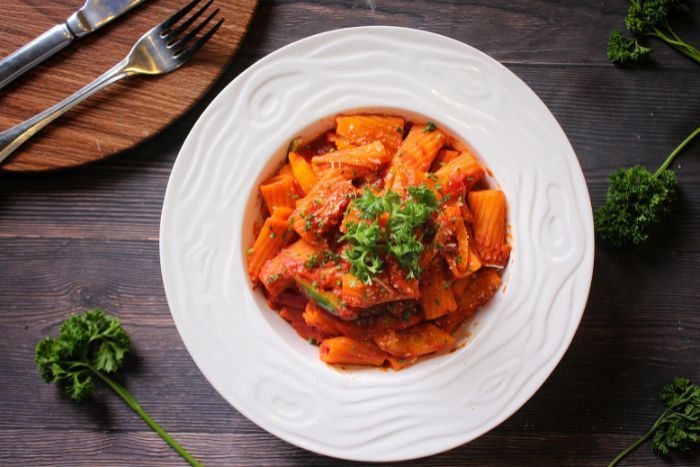
Reserva or Gran Reserva Tempranillo deserves a slow evening – a serious dinner, not a snack.
Garnacha: The beating heart of Spain
If Tempranillo is a calm thinker, Garnacha is an open, warm, and lively character. Born in Aragon, this grape is considered one of the oldest and most expressive in Spain. It loves the sun and openly shares its warmth in the glass.
Winemakers value Garnacha for its versatility. It is used to make both light, juicy reds and deeper, more mature wines. It is also the basis for many Spanish rosé wines.
Taste and character
Garnacha is characterised by aromas of cherries, raspberries, and strawberries, while on the palate it is soft, round, and fruity. The tannins are soft, the acidity is moderate, and the finish is warm and pleasantly lingering.
If Tempranillo caresses the palate like velvet, Garnacha plays on the tongue – light, juicy, and with a lively rhythm.
Where it is best revealed
- Priorat (Catalonia) – intense, mineral-driven wines, often blended with Cariñena, reflecting the steep slate terraces and Mediterranean heat.
- Campo de Borja (Aragón) – energetic, fruit-forward Garnacha wines with remarkable balance and one of Spain’s best price-to-quality ratios.
- Navarra (North) – known for light, refreshing rosés and smooth reds, ideal for warmer months.
- Calatayud (Aragón) – higher-altitude vineyards produce concentrated Garnacha with freshness and depth, combining power with elegance.
- Montsant (Catalonia) – the quieter neighbour of Priorat, offering generous fruit and silky textures at friendlier prices.
- Madrid DO – old bush vines grown in granite soils give spicy, aromatic Garnacha with remarkable finesse.
- Terra Alta (Tarragona) – sun-soaked vineyards yield expressive, full-bodied Garnacha with floral undertones and soft tannins.
Each region gives Garnacha its own distinctive voice, ranging from subtle to rich.
What to combine it with
- Garnacha – a versatile choice for many dishes:
- Tapas, paella, roasted vegetables, or pizza.
- Chicken, turkey, or pork with spices.
- Light stews, pasta, or grilled dishes.

It is perfect for a summer dinner on the terrace or a gathering with friends.
How to distinguish in a cup
Upon closer inspection, the difference between Tempranillo and Garnacha is clear:
- Colour: Tempranillo – darker, ruby hue; Garnacha – clearer, with a garnet tone.
- Aroma: Tempranillo is reminiscent of smoke, leather, and vanilla; Garnacha – berries and flowers.
- Taste: Tempranillo – structured, serious; Garnacha – fruity, warm, and lively.
These are two different approaches to Spanish wine, both worthy of a place in your glass.
When to choose which one
Both grapes have their own mood and occasion.
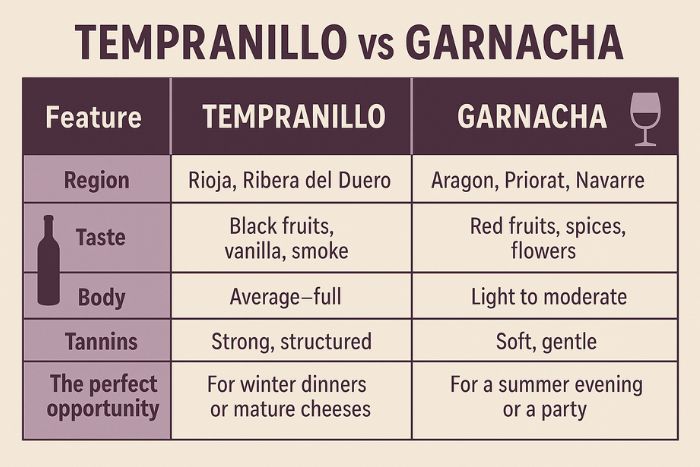
In short: Tempranillo – for a serious dinner, Garnacha – for a warm, relaxed evening.
Vinissimus recommendations
Discover both styles at Vinissimus:
Tempranillo


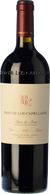

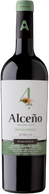
£10
Special offer available for a minimum purchase of £99. Discount voucher valid for four weeks from issue date. Cannot be used in conjunction with other promotions except for the free delivery special offer.
Garnacha:
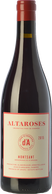
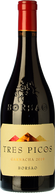


Why it's worth trying both
Tempranillo is classic and structured. Garnacha is lively and warm. Together, they reveal the full spectrum of Spanish flavours, from elegant Rioja to passionate Priorat.
Each bottle is a new story. We invite you to discover your favourite wine with Vinissimus, where every wine is selected with love and expertise.