| Type | Cava |
|---|---|
| Region | |
| Grapes | |
| Producer | |
| Allergens | Contains sulfites |
| Alcohol contenti | 12.0% |
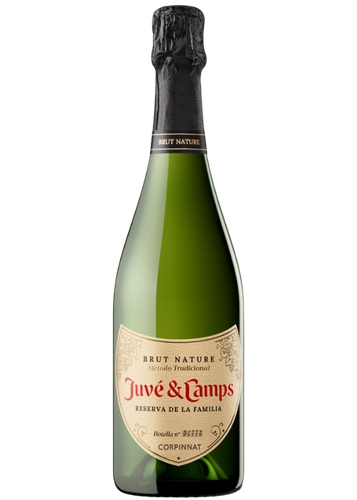
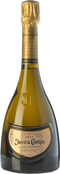
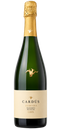
Juvé & Camps Reserva de la Familia
2022A historic, benchmark Cava
Spec sheet
The wine
Video

What does this wine taste like?
In the glass, it displays a pale yellow colour with golden highlights. The bubbles are fine and consistent, forming a delicate and persistent crown.
The nose is intense and clean, with aromas of ripe apple, pear, fennel, and white flowers. With ageing, notes of toasted bread, almonds, and a subtle hint of pastry emerge.
On the palate, it is dry, full-bodied, and structured. The acidity is well integrated. The bubbles caress the palate without aggressiveness.
It has body for a brut nature. The finish is long, with hints of white fruit and nuts. It leaves a fresh and elegant sensation.
This is a cava that combines complexity and balance. Easy to understand, but with layers for those who want to delve deeper.
| Light | Bold | |
|---|---|---|
| Dry | Sweet | |
| Soft | Acidic |
View | Bright / Pale gold |
|---|---|
Bouquet | Ripe white fruit / Floral notes / Toasted bread / Spices |
Mouth | Seductive / Fresh / Long |
Drinking and storing
Serve between 6 and 8 °C. If it is too cold, it will lose its aromatic expression. If it is warmer, the bubbles will be more intense.
It is perfect as an aperitif, but it really shines at the table. It works very well with long meals or celebrations where you are looking for a versatile sparkling wine.
The 2022 vintage can be enjoyed now. It can also age well for a few years in the bottle, thanks to its structure and ageing.
A practical tip: open it five minutes before serving. Use a wide white wine glass to better appreciate its aromas.
If you are looking for a cava to give as a gift or for a special occasion with fast delivery, this is a choice that rarely fails.
Serve between 6ºC and 8ºC
Food pairing
This cava is clearly gastronomic. Its dryness and structure make it very versatile.
Specific suggestions:
- Iberian ham and cured meats
- Oysters and shellfish au naturel
- Fish or seafood rice dishes
- Sushi and Japanese cuisine
- Herb-crusted baked fish
- Cured sheep's milk cheeses
It also works well with more contemporary dishes. Tuna tartare, ceviche, or vegetable dishes with good acidity.
For everyday enjoyment, try it with a lightly cooked potato omelette. For a special occasion, pair it with grilled lobster.


Cannelloni / Chicken with raisins and plums / Rice with truffles
Ratings and awards
| 2016 | 92 PN | ||
|---|---|---|---|
| 2015 | 91 PN | ||
| 2014 | 92 PN | 91 SK | |
| 2013 | 92 PN | ||
| 2012 | 91 PN | ||
| 2011 | 16.5 JR | 92 PN |
JR: Jancis
robinsonPN: PeñínSK: Suckling
Customer reviews
Winemaking
Juvé & Camps Reserva de la Familia is made using the traditional method, with a second fermentation in the bottle.
After each variety undergoes separate fermentation, the wine undergoes the second fermentation. It remains in contact with its lees for a long ageing period, exceeding the minimum required by the appellation.
It is a brut nature, meaning that no sugar is added after disgorging.
The winery controls every stage of the process, from the harvest to the final refinement. This guarantees consistency between vintages.
Vineyards
The grapes come from vineyards located in Penedès, Catalonia. It is an area with a Mediterranean climate, influenced by the sea, and with a wide temperature range.
The Xarel·lo variety provides structure and ageing potential. Macabeo adds freshness and fruitiness. Parellada adds aromatic finesse.
The soils are mainly calcareous. They promote good drainage and vegetative balance.
Juvé & Camps works with a respectful approach to the environment. Quality begins in the vineyard. Without healthy, balanced grapes, there can be no great cava.
| Soil | Calcareous-clay |
|---|---|
| Climate | Mediterranean |
The winery
Juvé y Camps
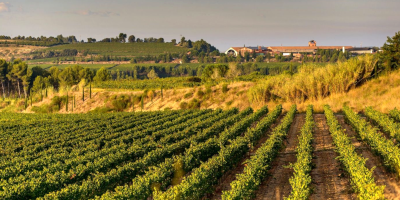
The history of Juvé & Camps goes all the way back to 1796 when the meticulous and restless wine-grower Joan Juvé Mir laid the foundations of the company. Years later, in 1921, his grandson, Antoni Juvé Escaiola, together with his wife set up the underground installations at the winery in Sant Sadurní d’Anoia to begin production of the first sparkling wine under the label Juvé. In 1940 Josep and Joan Juvé Camps, the...