| Type | Rosé wine |
|---|---|
| Region | |
| Grapes | |
| Producer | |
| Allergens | Contains sulfites |
| Alcohol contenti | 11.5% |

Spec sheet
The wine
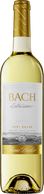
Masia Bach was founded at the beginning of the 20th century by the brothers Pere and Ramon Bach, fabric manufacturers. They wanted to combine the best cotton tradition with wine production, giving the name of the best cotton, ‘Extrísimo’, to the best vineyards where the Masia Bach wines historically came from. Viña Extrísima Rosado is a dry rosé made from noble red varieties: Cabernet Sauvignon, Tempranillo and Merlot.
What does this wine taste like?
In the glass, the wine displays a clear, pale cherry-red colour.
The nose is intense and persistent. Red fruits, particularly strawberry and cranberry, dominate.
On the palate, the rosé is fresh, round and fruity. It has a full-bodied texture and good acidity. The finish is long and characterised by red fruits.
View | Cherry red / Clear / Bright |
|---|---|
Bouquet | Higly aromatic / Persistent / Fruit aromas / Red fruit / Strawberries / Blueberries |
Mouth | Fresh / Rounded / Fleshy / Good acidity / Fruit-forward / Elegant / Long finish / Persistent / Voluminous |
Drinking and storing
Viña Extrísima Rosé is a wine best enjoyed young. It is best consumed between one and two years after the harvest, whilst the fruit and freshness remain the predominant notes. Serve it well chilled, at a temperature of between 8 and 10 °C.
Serve between 8ºC and 10ºC
Food pairing
This rosé goes well with many dishes. It pairs well with rice dishes such as paella and with pasta. It is also a good choice with cooked sausages.
Thanks to its freshness and fruitiness, it goes well with fish, particularly cod and stockfish. You can also serve it with white meat such as poultry or pork.
Cooked sausages / Rice dishes / Pasta dishes / Fish / Cod / White meats
Customer reviews
Winemaking
The rosé is produced using the ‘saignée’ method. To do this, a portion of the must is drawn off from the maceration vats intended for red wine. In this way, it acquires its colour and fruity flavour through brief contact with the grape skins. The must is rapidly cooled and filtered. Fermentation takes place over the following days at a controlled temperature of between 16 and 18 °C. Until bottling, the wine is stored in stainless steel tanks to preserve its freshness.
The winery
Masia Bach

In 1915, brothers Pere and Ramon Bach i Escopet acquired the Can Estrada estate and gradually increased their holding with the purchase of new estates until obtaining 365 hectares. The project they had in mind was the production of wines intended for ageing and for this purpose they built a cellar, 95 metres in length, which was later enlarged. The first bottles of Bach appeared at the 1929 Barcelona Universal Exposition. Sadly, Ramon died in the Civil War and in 1942 his brother...