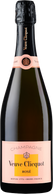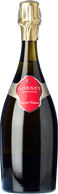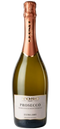
Cava, Champagne and Prosecco: differences and how to choose
Cava, Champagne and Prosecco share one thing in common: bubbles. But beyond that, they have very little in common. Origin, production method, style and occasion all shape the experience in the glass. Understanding these differences is not just a theoretical matter: it is what allows you to choose better for every moment.

What is the difference between Cava, Champagne and Prosecco?
Cava and Champagne are both sparkling wines made using the same method — with a second fermentation in the bottle — but they come from completely different origins. Champagne is produced in the French region of Champagne, in the northeast of Paris, using grape varieties such as Chardonnay, Pinot Noir and Meunier.
Cava, on the other hand, is Spain's sparkling wine with Denomination of Origin status, mainly produced in Catalonia, in the Penedès area, using grapes such as Macabeo, Xarel·lo and Parellada. The average price of Champagne is significantly higher due to the prestige of the appellation and the cost of production in that region.
Cava and Champagne share something essential: both are made using the traditional method (also known as the Champenoise method), in which the second fermentation takes place inside the bottle. This is what gives them their fine, persistent bubbles, very different from those of Prosecco, which ferments in large stainless steel tanks using the Charmat method.
From that point on, the differences become substantial.
Origin makes the difference
Champagne can only be called as such if it comes from the Champagne region in northeastern France. It is a protected designation of origin with more than a century of legal history. Any other French sparkling wine made using the same method in a different region is called crémant. This geographical exclusivity is the main reason why Champagne is more expensive.
Cava, on the other hand, is Spain's sparkling wine with its own Denomination of Origin. Although it is produced in different regions, most production is concentrated in the Penedès, around Sant Sadurní d'Anoia in Catalonia. There are also examples from Rioja, Rías Baixas and other areas, always under the same DO Cava regulations.
Prosecco comes from northeastern Italy, particularly the Veneto region. Its origin is closely linked to a lighter, more approachable style, consistent with its production method and local tradition.
The grape varieties are different
Champagne is mainly made from three grape varieties: Chardonnay, Pinot Noir and Meunier. A blanc de blancs is made exclusively from Chardonnay, resulting in a fresher, more mineral style. A blanc de noirs, on the other hand, is produced from red grapes vinified as white wine, giving more body and structure.
Cava is primarily made from traditional grapes grown in the Penedès: Macabeo, Xarel·lo and Parellada. Increasingly, producers are also incorporating Chardonnay and Pinot Noir to create more complex styles.
Prosecco is made from the Glera grape, which must represent at least 85% of the blend, contributing to its fresh and fruit-driven character.
Ageing time
Each appellation sets a minimum ageing period on the lees, meaning in contact with the yeast sediments inside the bottle. This ageing is what provides complexity, toasted bread notes and pastry-like aromas.
For non-vintage Champagne, the minimum is 15 months. Vintage Champagnes must age for at least 36 months.
For Cava, the minimum is 9 months for the base category, 18 months for Reserva, 30 months for Gran Reserva, and 36 months for Paraje Calificado, the highest category.
Prosecco does not require long ageing in the bottle. It involves a minimum of 30 days of fermentation for Prosecco DOC and around 90 days total process time for Prosecco Superiore DOCG, which explains its fresher, more immediate style.
Price
An entry-level Champagne typically costs between €25 and €40. Prestigious houses such as Dom Pérignon, Krug or Louis Roederer Cristal easily exceed €100.
A good Cava can be found from around €8 at the base level, between €12 and €25 for quality Reserva or Gran Reserva, and from €30 onwards for the most exclusive single-estate (paraje) Cavas. This price difference makes Cava an extremely competitive option.
Prosecco DOC is generally priced between €8 and €12, while Prosecco Superiore typically ranges from €13 to €25. Special editions exist, but they rarely exceed €35–40.When should you choose one over the other?
Champagne carries a symbolic weight that is hard to match. For a wedding, a high-end corporate gift or a very special celebration, the name on the bottle matters. The great maisons also offer a consistency across vintages that few appellations can match.
Cava, on the other hand, offers a value for money that is hard to beat in the world of sparkling wines. The best Gran Reserva Cavas from producers such as Gramona, Recaredo or Juvé & Camps can rival much more expensive Champagnes in terms of complexity. For aperitifs, after-dinner moments or as a companion throughout a meal, Cava is a choice that needs no justification.
Prosecco plays in a different register. It is more direct, lighter and designed for immediate enjoyment. Its freshness and fruit-driven profile make it especially suitable for informal aperitifs, casual gatherings or moments when you want an easy-drinking sparkling wine without compromising on quality. When the goal is simply to open a bottle and enjoy it without overthinking, Prosecco makes perfect sense.
If you are still unsure which to choose, our sparkling wine selection brings together Champagnes and Cavas organised by style, price and occasion. You can also explore our article on the 20 best-rated Cava brands according to our customers.
At Vinissimus, you will find a complete selection of Champagne, Prosecco and Cava online, with delivery within 48-72 hours in Spain.