Wine from Barolo DOCG
Buy Barolo Wine Online — Delivered to the UK
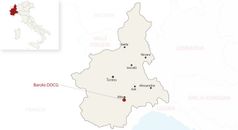
Barolo is Italy's most celebrated red wine — a DOCG Nebbiolo from the Langhe hills of Piedmont, south-west of Alba. Dense, tannic and built for the long term, it is one of the few wines in the world worth cellaring for 10 to 20 years. Vinissimus stocks a curated range from established producers, with delivery across the UK.
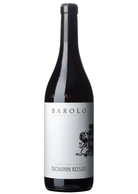
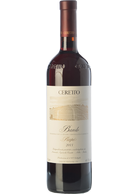
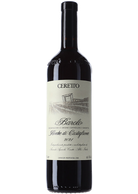
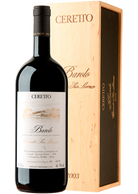
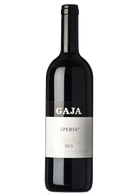
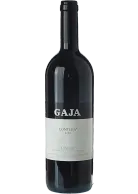
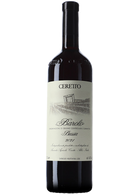
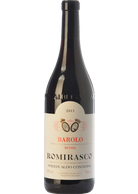
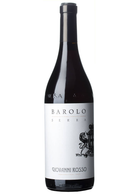
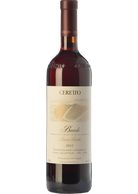
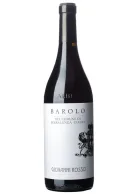

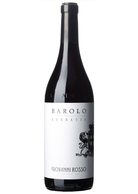

Barolo DOCG
Buy Barolo Wine Online — Delivered to the UK
Barolo is Italy's most celebrated red wine — a DOCG Nebbiolo from the Langhe hills of Piedmont, south-west of Alba. Dense, tannic and built for the long term, it is one of the few wines in the world worth cellaring for 10 to 20 years. Vinissimus stocks a curated range from established producers, with delivery across the UK.
What is Barolo wine?
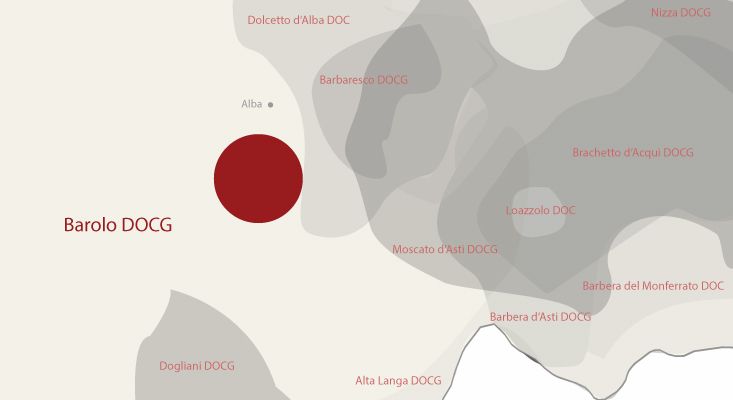
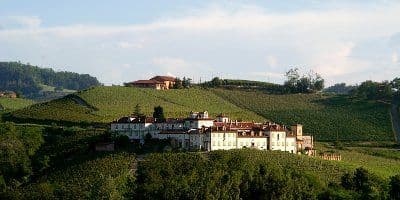
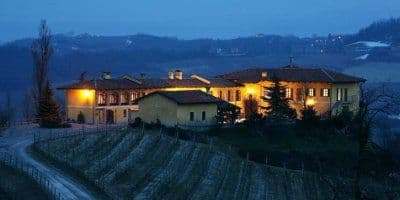
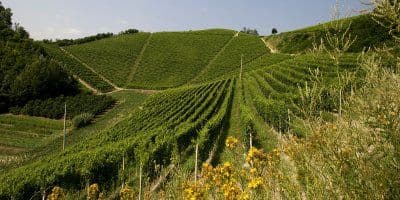
Barolo is made entirely from Nebbiolo, one of Italy's oldest and most demanding grape varieties — thin-skinned, high in acid and tannin, and one of the last to ripen in the season. The DOCG zone covers 11 villages in the Cuneo province of Piedmont, including Barolo, La Morra, Castiglione Falletto, Serralunga d'Alba and Monforte d'Alba.
Barolo and Barbaresco were the first wines in Italy to receive DOC status in 1966, and were elevated to DOCG in 1988. The Langhe region surrounding them was designated a UNESCO World Heritage Site in 2014.
What does Barolo taste like?
Young Barolo is austere — high tannins, pronounced acidity and a firm structure that can seem unyielding in the first few years after release. With age it opens into something complex and layered: dried cherry, rose, tobacco, leather, tar, dried herbs and a distinctive iron-and-earthy mineral quality that is unlike almost any other red wine.
A well-aged Barolo from a good vintage — given 10 or more years — is one of the most rewarding wines to open. The tannins soften and integrate, the colour moves from ruby towards garnet with orange edges, and the finish can last for several minutes.
Barolo subzones — what the difference means for buying
Barolo producers and critics divide the zone into two broad areas with distinct characters:
- Serralunga Valley: sandy, compact limestone-rich soils. Produces the most structured, austere and long-lived Barolos — more tannic in youth, but capable of exceptional complexity with age. Producers: Prunotto, Pio Cesare, Giacomo Conterno.
- Central Valley (La Morra, Barolo village, Castiglione Falletto): higher clay content. Produces softer, more aromatic and earlier-approachable wines with more obvious fruit. Producers: Elvio Cogno, Elio Altare, Vietti.
For drinking now or within five years: lean towards Central Valley producers. For cellaring: Serralunga wines reward patience.
Barolo ageing requirements
The DOCG sets minimum ageing before release:
- Barolo: minimum three years total, at least 18 months in oak
- Barolo Riserva: minimum five years total, at least 18 months in oak
This means the youngest Barolo on the market is always at least three years old from harvest. Most serious producers release their standard Barolo at four to five years, and the Riserva a year or two later.
Barolo and food pairing
Barolo demands rich, flavourful food that can stand up to its tannins and weight:
- Braised beef or osso buco — the classic Piedmontese pairing
- Roast lamb or venison
- Truffle dishes — white truffle from Alba is the local benchmark
- Porcini mushroom risotto or pasta
- Aged hard cheeses — Parmigiano Reggiano, aged Pecorino
It also works, as the current page correctly notes, at a summer barbecue with grilled lamb or beef — the tannins cut through fat well, and the wine does not need a formal occasion.
Key producers in this selection
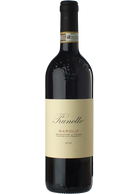
- Prunotto: founded in 1904, now owned by Antinori, producing consistent and well-priced Barolo from Serralunga vineyards. A reliable entry point into the appellation.
- Pio Cesare: family-owned since 1881 in Alba, making structured, age-worthy Barolos with a traditional approach — long maceration and time in large Slavonian oak casks.
- Elvio Cogno: based in Novello, producing Barolo from the Ravera MGA — one of the most respected single-vineyard sites in the western Langhe. Concentrated and precise.
Barolo vs Barbaresco — what is the difference?
Both are DOCG Nebbiolo wines from Piedmont, and both are world-class. The key differences:
- Barolo is larger in zone, more tannic and structured, and generally requires more ageing
- Barbaresco is produced in three villages north-east of Alba, tends to be slightly lighter and more elegant, and is often approachable a few years earlier
- Barbaresco has a minimum ageing requirement of two years (versus three for Barolo)
If Barolo feels too tannic or needs too long to open, Barbaresco is the natural next step.
FAQ
What grape is Barolo made from?
100% Nebbiolo. No blending is permitted under DOCG rules. The same grape is used for Barbaresco, Langhe Nebbiolo and Roero — all from Piedmont but with different rules and characters.
How long does Barolo need to age?
The DOCG minimum is three years before release. For drinking, most standard Barolos benefit from at least five to eight years from the vintage. Riserva and single-vineyard bottles from top producers can reward 15 to 20 years of cellaring.
What is the difference between Barolo and Barbaresco?
Both are DOCG Nebbiolo from Piedmont. Barolo is more structured and tannic, requires longer ageing and is generally the more powerful of the two. Barbaresco tends to be more elegant and approachable earlier.
What food pairs with Barolo?
Braised meats, roast lamb, truffle dishes, porcini pasta and aged hard cheeses. It needs bold, rich flavours to match its structure.
Is Barolo worth the price?
For serious collectors and wine lovers, yes — it is one of the world's great age-worthy reds. For everyday drinking, a Langhe Nebbiolo or Barbaresco from the same producers offers a more accessible entry point at a lower price.