| Type | Rosé wine |
|---|---|
| Region | |
| Grapes | |
| Producer | |
| Allergens | Contains sulfites |
| Alcohol contenti | 13.5% |
Also available in the following packs
Spec sheet
The wine
What does this wine taste like?
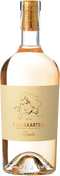
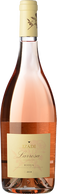
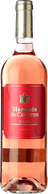
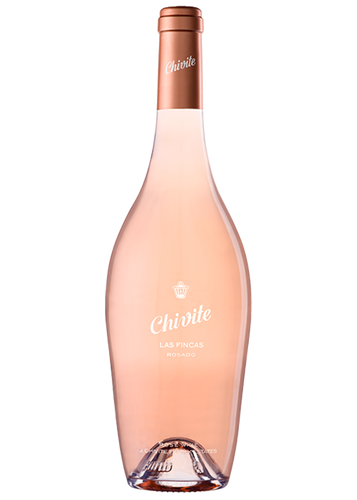
It has a bright, pale pink colour, which is very attractive and modern.
The nose is expressive and refined. Aromas of wild strawberries, raspberries, rose petals, and a slight hint of citrus appear. Everything is well defined, without excess.
It is on the palate where it shows its character. It has a fresh attack, good acidity, and a silky texture.
It is balanced, with crisp red fruit and a slightly mineral finish that prolongs the sensation.
This is not just a light rosé. It has structure, but remains fluid. This combination makes it a very versatile wine.
| Light | Bold | |
|---|---|---|
| Smooth | Tannic | |
| Dry | Sweet | |
| Soft | Acidic |
View | Pale pink |
|---|---|
Bouquet | Higly aromatic / Fruit aromas / Red fruit / Raspberry / Strawberries / Blackberries / Pomegranate / Floral scents / Rose petals |
Mouth | Smooth / Pleasant / Balanced / Unctuous / Lively / Persistent / Characterful / Delicate |
Drinking and storing
The ideal serving temperature is between 8 and 10 °C.
If you serve it too cold, it will lose its aromatic nuances. It is best to take it out of the fridge a few minutes beforehand.
The 2024 vintage is designed to be enjoyed young, when its freshness and fruitiness are at their best.
It is not a rosé for long-term ageing, but rather a wine to be enjoyed in the short term.
It is perfect for:
- Outdoor meals
- Elegant appetisers
- Informal dinners with friends
- Moments when you are looking for a fresh wine with more depth than a simple white
If you are looking for a rosé with a good price-quality ratio, this wine is usually a safe bet within its category.
What's more, when you buy it from Vinissimus, you get fast and secure delivery, ideal if you need it for a specific date.
Serve between 10ºC and 12ºC
Food pairing
This rosé is clearly designed for gastronomy.
It works very well with:
- Mediterranean rice dishes
- Mild Asian cuisine
- Sushi and sashimi
- Grilled fish
- Roasted vegetables
- Salads with fruit and fresh cheese
It also accompanies white meats, such as chicken or turkey, and medium-spiced dishes.
It is an interesting option if you want a single wine for a varied meal. It has enough freshness for light dishes and enough structure for slightly heavier recipes.
Seafood / Fish / Salads / Rice dishes / Barbecues / White meats
Ratings and awards
| 2025 | 93 TA | |||
|---|---|---|---|---|
| 2023 | 93 TA | |||
| 2020 | 91 PN | 90 SK | ||
| 2019 | 91 PN | |||
| 2017 | 16 JR | 91 PN | ||
| 2016 | 16.5 JR | 91 PN | 90 SK |
JR: Jancis
robinsonPN: PeñínSK: SucklingTA: Tim
atkin
Customer reviews
Winemaking
The grapes are carefully selected in the vineyard and harvested at the optimal ripeness.
The production process focuses on preserving freshness and aromatic purity.
Fermentation takes place at a controlled temperature, which allows the expression of the fruit and the precision of the profile to be maintained.
The aim is not simply to make an aromatic rosé, but a balanced wine with texture and gastronomic appeal.
Each vintage seeks to maintain the brand's recognisable style, adapting to the year's climatic conditions.
| Vinification material | Stainless steel |
|---|---|
| Ageing period | 6 months |
Vineyards
The estates are located in Navarre, in areas influenced by the Atlantic and Mediterranean climates.
The climate combines warm summers with cool nights, which is key to preserving the natural acidity of the Garnacha grape.
The soils, which are mostly poor and well-drained, help to control the vigour of the plant and concentrate the grape.
The philosophy behind the work in the vineyard is based on respect for the environment and obtaining quality raw materials, because the final style of the wine always begins with the vine.
| Climate | Atlantic with continental influence |
|---|
The winery
Chivite

Chivite is the name of a renowned wine-making family in Navarra, which goes back 11 generations to 1647, with documental evidence of vineyard and wine cellar ownership, probably making this the oldest wine-producing dynasty in Spain. Back in 1860, when the phylloxera plague was blighting the French wine industry, the family embarked upon a trade route to northern Europe to meet increased demand, and later made their home an inn en route to Madrid, extending the reach of their...