

Sherry Wine Online
Over 160 sherries from Jerez, the Spanish region that's been perfecting this style for centuries. From bone-dry Fino and Manzanilla to rich, nutty Oloroso and the rare Palo Cortado. We're a Robert Parker Wine Advocate Trusted Retailer, so every wine on this list has been vetted by independent experts — not just by us.

Williams & Humbert Jalifa Amontillado 30 años (0.5 L)
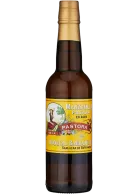
Barbadillo Manzanilla Pastora Pasada en Rama (0.37 L)
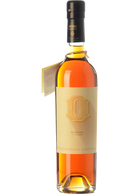
Fernando de Castilla Antique Oloroso (0.5 L)
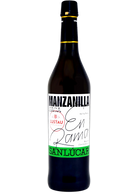
Lustau 3 En Rama Manzanilla de Sanlúcar Saca 2025 (0.5 L)

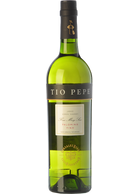
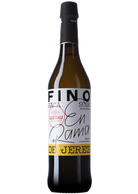
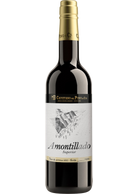
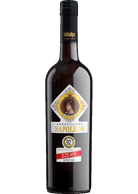

Barbadillo Amontillado Principe - 37,5 cl (0.37 L)


Barbadillo Manzanilla Nave Trinidad en Rama (Magnum)
Looking for a specific style? Start here: Fino, Manzanilla, Amontillado, Oloroso, Palo Cortado.
Looking for something sweet instead? Try our Pedro Ximénez and sweet sherry selection. We also stock a small selection of Port from Portugal and Marsala from Sicily, for those exploring beyond sherry.
How are fortified wines made?
Fortified wine is made by adding distilled spirit to a base wine during or after fermentation. The kind of fortified wine produced depends on the base wine and the process used. For example, different kinds of sherry wines from Jerez include Finos, Amontillados, and Olorosos. After they have been fortified, the wines are usually aged in wooden barrels.
Ageing fortified wines
The process for ageing fortified wines can be oxidative (for example, Oloroso wines), biological (Finos) or a combination of both types (Amontillados). Oxidative ageing occurs when the wine in question is in contact with air, whereas biological ageing refers to wine aged under a film or veil of flor, a layer of yeast protecting the wine from exposure to air and oxidation and adding nutrients and interesting aromas.
The ageing process can also be a static one, taking place in the same barrel, or a dynamic one where the wine is transferred from barrel to barrel, blending it with different ages of wines placed in rows of barrels known as criaderas, with the final row being known as the solera.
Grapes for fortified wines
Palomino Fino and Pedro Ximénez in Spain, Touriga Francesa and Touriga Nacional in Portugal, and Grillo in Italy are some of the most commonly used grapes in the three most significant countries in the world of fortified winemaking.
The most famous fortified wine regions in the world
Spain is undoubtedly one of the most important countries when it comes to fortified wines, especially in the Jerez region; Fino, Manzanilla, Oloroso, Amontillado and Cream sherry (a vino generoso de licor) are essential names to try in the world of fortified wines. Other important wine-making areas in Andalusia include Malaga and Montilla-Moriles.
Port wine is made in Portugal, in one of the oldest protected wine-making regions, or appellations, in the world. The Portuguese island of Madeira is home to the splendid Madeira wines. The Italian island of Sicily is also well-known for producing the most popular Italian fortified wine: Marsala.
Pairings with different kinds of fortified wine
The wide diversity of fortified wines means there is also a wide range of possible pairings. Finos and Manzanillas pair excellently with ham and "pescaíto frito" (small fried fish), whereas Amontillado is a good choice for dishes more difficult to combine with, such as wild asparagus or artichokes. The intensity of Oloroso calls for stronger dishes such as mature cheese or game.
Port and Stilton cheese is a hard-to-beat classic combination, closely followed by Port and dark chocolate. Sweeter wines such as Cream sherry go very well with spicy fruit cake, vanilla ice cream, or foie gras.