

Frizzante wine
Frizzante wine is a wine that retains some effervescence without reaching the pressure levels or undergoing the production process of a sparkling wine in the strict sense. In Spain, it is known as ‘vino de aguja’: a lively, Mediterranean-style wine, low in alcohol, very refreshing and easy to drink, intended for aperitifs, tapas, light dinners or not-too-sweet desserts.
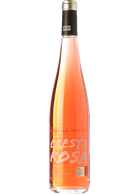

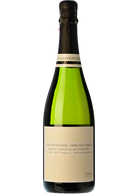
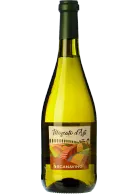


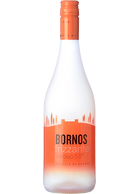
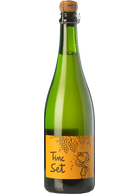

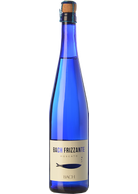
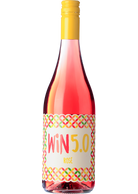
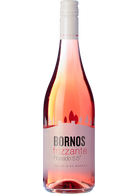
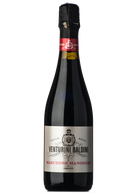
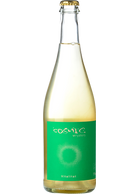


What's the difference between a frizzante wine and a sparkling wine?
The difference lies in the pressure of the bottle and in the production method. A traditional sparkling wine (such as cava or champagne) reaches a pressure of 5-6 atmospheres through a second fermentation in the bottle.
A frizzante wine, on the other hand, stays between 1 and 2.5 atmospheres, with a gentler carbon dioxide content and a lighter bubble, almost imperceptible in some cases. This is achieved through simpler, quicker methods, which also explains why these wines tend to be more affordable and meant for immediate drinking.
The great styles of frizzante wine
The frizzante wine umbrella covers some of the most popular and recognisable styles in the world of wine:
-
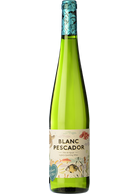
The emblematic "vinos de aguja" from the Catalan coast, light and very easy to drink.
-
The Pet Nat wines, made using the oldest method of all: a single fermentation that finishes directly in the bottle.
-
Italian Lambruscos, red and fruity, perfect for pairing with cured meats and cheeses.
-
Moscato d'Asti, sweet, aromatic and low in alcohol.
-
Brachetto, with its characteristic fruity and floral profile.
-
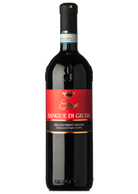
Sangue di Giuda, Lombard red frizzante wines with a sweet, fruity profile.
Frizzante wine by colour
At Vinissimus you'll find frizzante wine in every colour and style, suited to any occasion: red frizzante, white frizzante, rosé frizzante and sweet frizzante, with options to suit every budget and palate.
How to serve a frizzante wine
As these are fresh, low-alcohol wines, they're best served well chilled, between 6ºC and 10ºC, in a white wine glass or even a flute glass if you want to bring out the bubble even more.
As they aren't highly pressurised, there's no need to uncork them with the same care as a sparkling wine: these are wines meant to be opened, poured and enjoyed without ceremony.
Food pairing: when to drink a frizzante wine
Thanks to their freshness and gentle fizz, frizzante wines are one of the most versatile options for an aperitivo: tapas, cured meats, mild cheeses, salads or light fish dishes are their natural territory.
The sweeter styles, such as Moscato d'Asti, also pair very well with lightly sweetened desserts or fresh fruit, as their sugar level doesn't compete with the dish.