

Wine from Châteauneuf-du-Pape AOC
Buy Châteauneuf-du-Pape Wine Online – UK Delivery


Tardieu-Laurent Châteauneuf-du-Pape 2022
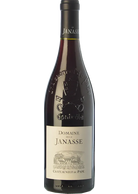
Domaine La Janasse Chateauneuf-du-Pape 2022
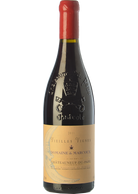
Domaine de Marcoux Chateauneuf-du-Pape V.V. 2023
BIO
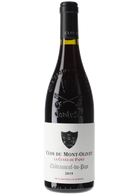
Clos du Mont-Olivet La Cuvée du Papet 2023
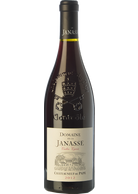
Domaine La Janasse Chateauneuf-du-Pape V.V. 2023
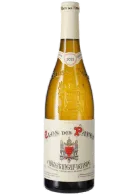
Clos des Papes Châteauneuf-du-Pape Blanc 2025
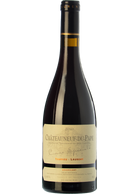
Tardieu-Laurent Chat. du Pape Cuvée Spéciale 2023
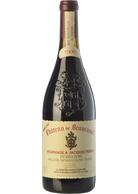
Beaucastel Hommage à Jacques Perrin 2021
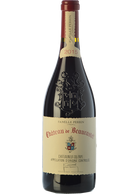
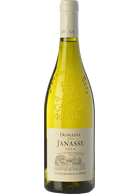
Domaine La Janasse Chateauneuf-du-Pape Blanc 2025
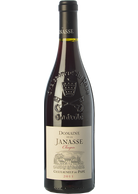
Domaine La Janasse Chateauneuf-d-Pape Chaupin 2023
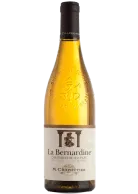
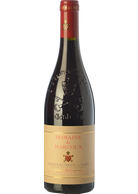
Domaine de Marcoux Chateauneuf-du-Pape 2023
BIO
Clos du Mont-Olivet Châteauneuf-du-Pape 2024
Beaucastel Chateauneuf-du-Pape Blanc 2021
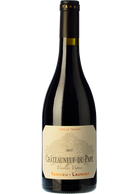
Tardieu-Laurent Chat. du Pape Vieilles Vignes 2023
Châteauneuf-du-Pape AOC
Buy Châteauneuf-du-Pape Wine Online – UK Delivery
Châteauneuf-du-Pape is France's most instantly recognisable southern wine — and the appellation that gave birth to the entire French AOC system in 1936. It sits in the Southern Rhône Valley, just north of Avignon, where a Mediterranean climate and a landscape of large rounded stones — the famous galets roulés — conspire to produce some of the boldest, most complex and most reliably excellent red wines in the world.
The name translates literally as "pope's new castle": the Catholic papacy relocated to Avignon in the 14th century, and the papal court adopted the local wine with such enthusiasm that the vineyards expanded to supply half the surrounding land within a generation. That historical prestige, combined with genuinely exceptional terroir, is why Châteauneuf-du-Pape remains one of the few French appellations where "very good" costs far less than the equivalent level in Bordeaux or Burgundy.
What makes Châteauneuf-du-Pape distinctive:
Up to 13 grape varieties are permitted in the blend, though in practice most reds are built around Grenache (typically 60–80% of the blend), with Syrah, Mourvèdre, Cinsault and Counoise playing supporting roles. The galets roulés — large quartzite pebbles left by the ancient Rhône riverbed — store the day's heat and release it overnight, accelerating ripeness and helping produce the appellation's characteristic warmth and high natural alcohol.
Red Châteauneuf-du-Pape is full-bodied, richly perfumed and typically structured around ripe raspberry, plum and blackcurrant, with notes of garrigue (wild herbs, lavender, thyme), leather and spice emerging with age. White Châteauneuf-du-Pape — just 7% of production — is intensely aromatic, rich and long-lived, blending Grenache Blanc, Roussanne, Clairette and Bourboulenc.
Featured producers
Domaine La Janasse. A family domaine producing several cuvées across different terroirs, from the approachable Chaupin to the intensely concentrated Vieilles Vignes. One of the most consistent producers in the appellation for value across the range. → Shop La Janasse
Henri Bonneau. A cult producer whose wines — made in tiny quantities from very old Grenache vines — are among the most sought-after in the Southern Rhône. Almost impossible to find at retail. Bottles appear rarely; when they do, serious collectors move fast. → Shop Henri Bonneau
Domaine de Marcoux. A biodynamic producer in the heart of the appellation, making both red and white Châteauneuf-du-Pape from old-vine Grenache and a rare pure Roussanne white. Respected for wines of precision and restraint in an appellation that can easily tip into excess. → Shop Domaine de Marcoux
Xavier Vignon. An unusual producer who blends wines from multiple growers across the appellation, including rare vintage back-stocks. An excellent source for older vintages and consistent value across the standard range. → Shop Xavier Vignon
Vignobles Alain Jaume. A large but quality-focused family domaine producing some of the appellation's best-value entry-level bottles. Excellent starting point for those discovering Châteauneuf-du-Pape for the first time. → Shop Alain Jaume
✓ 60+ Châteauneuf-du-Pape references in stock
✓ Red & white — including rare Beaucastel Roussanne VV
✓ Organic and biodynamic producers (Beaucastel, Marcoux, La Barroche)
✓ UK delivery — standard & next day available
✓ Free delivery on orders over £100
✓ Specialists in French & Iberian wine since 2005
FAQ
What does Châteauneuf-du-Pape taste like?
Red Châteauneuf-du-Pape is full-bodied, rich and warming — typically 14–15.5% alcohol. The dominant Grenache provides ripe raspberry, plum and cherry fruit; Syrah adds peppery spice and structure; Mourvèdre contributes dark, gamey complexity and ageing potential. With age, the wines develop notes of leather, dried herbs (what the French call garrigue — rosemary, lavender, thyme), tobacco and truffle. White Châteauneuf-du-Pape is intensely aromatic, rich and full-bodied, with notes of white peach, apricot, honey and spice — a very different style from most white Burgundy or Loire wines.
What are the galets roulés of Châteauneuf-du-Pape?
Galets roulés are the large, rounded quartzite pebbles that cover much of the Châteauneuf-du-Pape vineyard surface — one of the most visually distinctive vineyard landscapes in France. These stones are remnants of the ancient Rhône riverbed, smoothed by millions of years of water action. They play an important viticultural role: they absorb the intense Provençal sun during the day and release the stored heat at night, extending the ripening period and helping grapes develop the high sugar levels that give Châteauneuf-du-Pape its characteristic warmth and alcohol. They also reduce moisture evaporation in the dry summer months, acting as a natural mulch.
How many grape varieties are permitted in Châteauneuf-du-Pape?
Thirteen grape varieties are officially permitted in Châteauneuf-du-Pape — the most of any single AOC in France. The main reds are Grenache, Syrah, Mourvèdre, Cinsault, Counoise, Muscardin, Vaccarèse and Terret Noir. The main whites are Grenache Blanc, Clairette, Roussanne, Bourboulenc and Picpoul. In practice, most red wines are dominated by Grenache (60–80%), with two or three other varieties in support. A handful of producers — most notably Château de Beaucastel — use all or most of the permitted varieties in a single blend.
How long should Châteauneuf-du-Pape be aged?
Approachable entry-level wines from good producers can be enjoyed 3–5 years after the vintage. Mid-range domaine wines from top vintages (2019, 2020, 2016) typically peak 8–15 years after harvest. The top cuvées from estates like Beaucastel, La Janasse Vieilles Vignes and Henri Bonneau can age 20–30 years. White Châteauneuf-du-Pape, especially Beaucastel Roussanne Vieilles Vignes, can develop for 15–25 years. Always decant: an hour minimum for younger wines, 30–45 minutes for older bottles.
What food pairs well with Châteauneuf-du-Pape?
The rich, herbaceous character of red Châteauneuf-du-Pape makes it a natural match for Provençal cuisine — lamb with herbes de Provence, daube (slow-cooked beef stew), grilled wild boar and game birds. It also pairs superbly with aged hard cheeses, wild mushroom dishes, and anything with truffle. The wine's warmth and high alcohol mean it can hold its own against strongly flavoured food that would overwhelm a lighter red. White Châteauneuf-du-Pape pairs well with rich fish dishes, lobster, white truffle, and creamy poultry preparations.
Is Châteauneuf-du-Pape a good wine for gifting?
Yes — it is one of the most recognisable French wine names even among non-specialists, which makes it an impressive gift. A bottle from Château de Beaucastel or Domaine La Janasse in a good vintage signals genuine knowledge and will be appreciated by any serious wine drinker. It is also more reasonably priced than equivalent-quality Bordeaux or Burgundy, making it an excellent choice for high-impact gifts without the Grand Cru price tag.